Inland Marine Coverage for sealcoating contractors
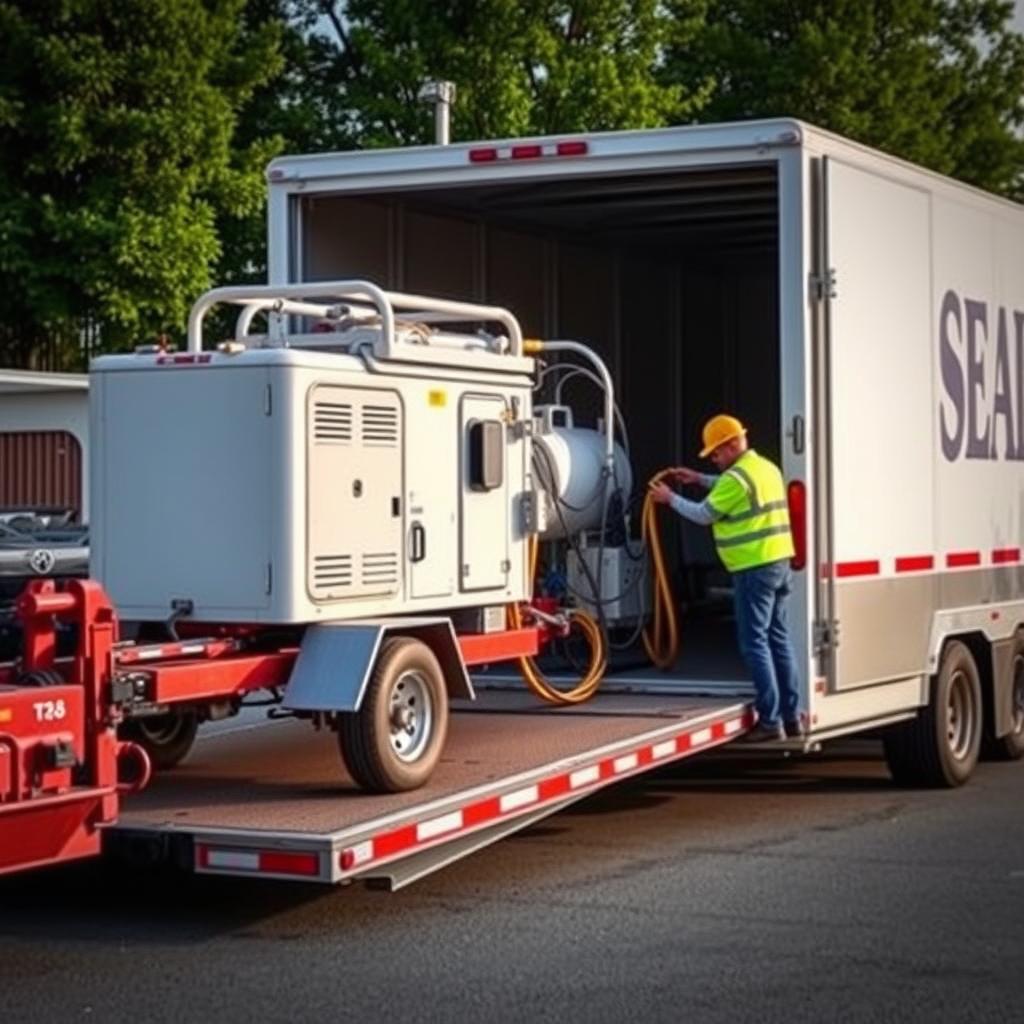
Inland marine coverage fills the gap between commercial auto (which covers the vehicle) and tools and equipment (which covers items at your shop or listed location). It covers sealcoating equipment in transit to job sites, stored at temporary locations, and on remote job sites where theft or damage risk is highest.
What it covers
- Sealcoating tanks, spray systems, and equipment while in transit on trucks or trailers
- Crack fill machines and line stripers at remote job sites
- Equipment stored temporarily at a customer's property or remote location
- Equipment rented out to other contractors (if disclosed)
- Accidental damage in transit — dropped, crushed, or damaged during loading
- Theft of equipment from job sites, trailers, and remote storage
Who it's for
- Sealcoating contractors who transport equipment to multiple job sites daily
- Operations with equipment stored at remote or temporary locations
- Contractors whose tools and equipment policy only covers a single listed address
- Any sealcoating operation where equipment travels away from the shop regularly
Why CCA
- Inland marine structured for the real transit and job site patterns of sealcoating contractors
- Coordinates with commercial auto and tools and equipment to eliminate coverage gaps
- Equipment scheduled at replacement cost
Common questions about inland marine coverage
Tools and equipment typically covers items at a listed location (your shop or yard). Inland marine covers items in transit and at remote or temporary locations. For sealcoating contractors who move equipment daily, both are often needed — or a single policy that covers both exposures.
The trailer itself is typically covered under commercial auto. The equipment loaded on the trailer is inland marine. We coordinate both policies so a trailer accident that damages your spray system doesn't produce a coverage dispute.
Yes — theft of sealcoating equipment from an active or overnight job site is an inland marine claim. Some forms require that equipment be locked or secured. We make sure the coverage matches how you actually operate in the field.
Replacement cost is preferred over actual cash value — so a sealcoating tank that cost $18,000 is paid at current replacement cost, not a depreciated fraction of that. We schedule high-value items at their real replacement value.
Cost is driven by crew size and payroll, annual revenue, equipment value, vehicle count, and loss history. We quote your actual operation in about 15 minutes — never a ballpark from a generic contractor form.
Yes. Contractors Choice Agency is licensed in all 50 states and writes sealcoating programs nationwide — Texas, Southeast, Midwest, Northeast, California, Mountain States, Mid-Atlantic, and Pacific Northwest.
Typically 15 minutes on a call. Larger operations may take a day or two to place with the right markets, but we move fast and set expectations up front.
Often yes. We have admitted and E&S markets for sealcoating contractors declined over pollution exposure, prior loss runs, or other issues. Bring us your situation and we'll find a market.
Usually yes. A coordinated program closes gaps between policies and is typically cheaper than separate policies from separate carriers — and far easier to manage at claim time.
A.M. Best ratings reflect a carrier's financial strength and ability to pay claims. We place coverage with A-rated carriers so the coverage is there when a runoff claim, a spray truck accident, or a property damage lawsuit hits.
Yes. Crack filling and line striping are common companion operations for sealcoating contractors. We include all three in the policy so there's no dispute about which activity a claim relates to.
Equipment is ideally scheduled at replacement cost rather than actual cash value. A sealcoating tank that cost $18,000 three years ago shouldn't be paid out at a fraction of that due to depreciation. We schedule equipment at real replacement value.
Crew size and payroll, annual revenue, equipment list and values, vehicle count, operations (sealcoating, crack fill, striping, other), current coverage, and loss history. The more detail, the more accurate the quote.
Yes — most commercial property managers and HOAs require a certificate of insurance naming them as additional insured before a sealcoating contractor can start work. We issue certificates quickly so you can get to work without delays.
Yes. Seasonal operations with off-season layoffs have different payroll, equipment storage, and vehicle usage patterns. We reflect the actual seasonal schedule in the rating so you're not overpaying for months when no work is being done.
Tools and equipment coverage covers theft of sealcoating equipment from job sites. Make sure your equipment is scheduled correctly and at replacement cost so a theft claim pays what it actually costs to replace the equipment.
Yes. If you run multiple crews, we build one coordinated program covering all crew members, vehicles, and equipment — with GL, auto, and workers' comp properly structured for a multi-crew operation.
Yes. Whether you're a sole proprietor, a GC who subcontracts sealcoating, or a sealcoating sub who works under a prime, we can structure coverage to fit your role in the work arrangement.
Pair it with related coverage
Ready to protect your sealcoating business?
Get a 15-minute quote from specialists who understand sealcoating — GL, spray truck auto, coal tar pollution liability, tools coverage, and workers' comp for asphalt crews.